In an area spanning Matsumoto-Daira (松本平 ‘Matsumoto Plain’), Kiso (木曽), and Ina-dani (伊那谷) in the old province of Shinano no Kuni (信濃国), or Shinshū (信州), now Nagano Prefecture, there is a bold, stately style of minka called hon-mune-zukuri (本棟造り, lit. ‘true ridge style’): a gable-roofed, gable-entry, formal style, it is mainly seen in the residences of upper-class or high-status officials such as village headmen (shо̄ya 圧屋), and the designated inns (honjin 本陣) where such figures were accommodated while travelling. The hon-mune style is a minka form rich in regional character, reaching its perfection from the middle to the end of the Edo period (Edo jidai 江戸時代, 1603 - 1868).
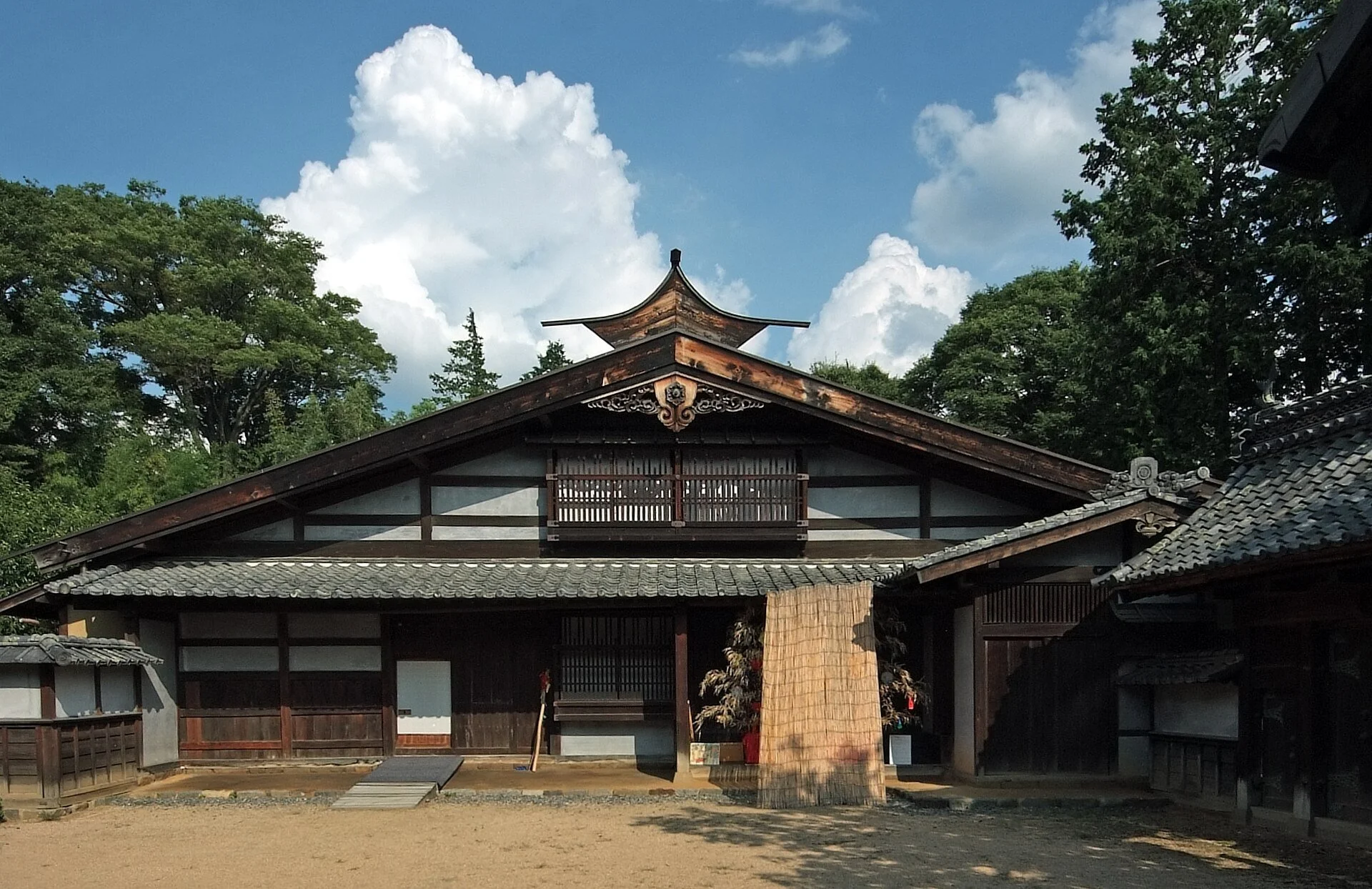
Modern view of the façade of a hon-mune tsukuri minka.
The roofs of hon-mune minka are gently pitched, with deeply projecting eaves (noki 軒) and gable verges (keraba けらば); as befits minka in mountain country, they are clad with shakes (kure-ita buki 榑板葺き), held down by river stones. The gable verge features a two-layer (ni-jū 二重) gable-board (hafu-ita 破風板) construction, consisting of an upper gable board (uwa-hafu or kami-hafu 上破風) lapped over a lower gable board (shimo-hafu 下破風). The hon-mune style is also called о̄-hafu-tsukuri (大破風造り), ‘big gable style’; the huge half-timbered gable wall (tsuma-kabe 妻壁) facades present a beautiful contrast between the posts (hashira 柱) and rows of exposed rainbow beams kо̄ryо̄ (虹梁) and ties (nuki 貫), and the white plaster (shikkui 漆喰) infill.
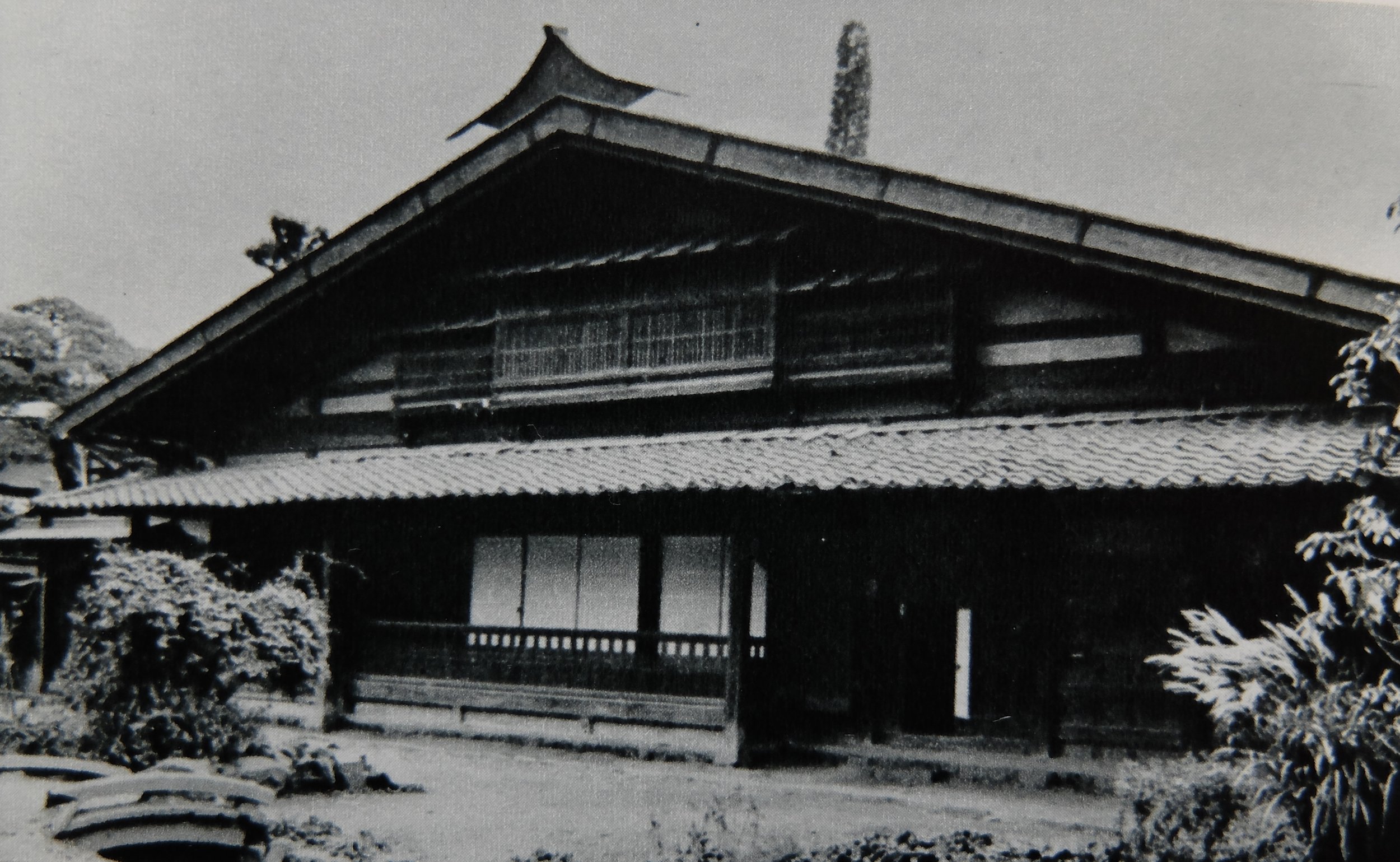
An inn (hatago-ya 旅籠屋) in the ‘relay station’ (shuku-ba 宿場) Gо̄hara-juku (郷原宿), with a yamakoshi-ya (山越屋 ‘mountain pass hut’) façade (omote-gamae 表構え). This is an ‘orthodox’ hon-mune tsukuri with a three-part (san-ren 三連) projecting lattice window (de-gо̄shi 出格子) to the upper floor. The peculiar balustraded mise-no-ma (店の間, ‘shop space’) was originally an ita-ma (板間 ‘(floor)board space’) where travellers would nap. Important guests entered via the genkan on the left (obscured) and from there to the ‘upper zashiki’ (kami-zashiki 上座敷) at the rear. Nagano Prefecture.
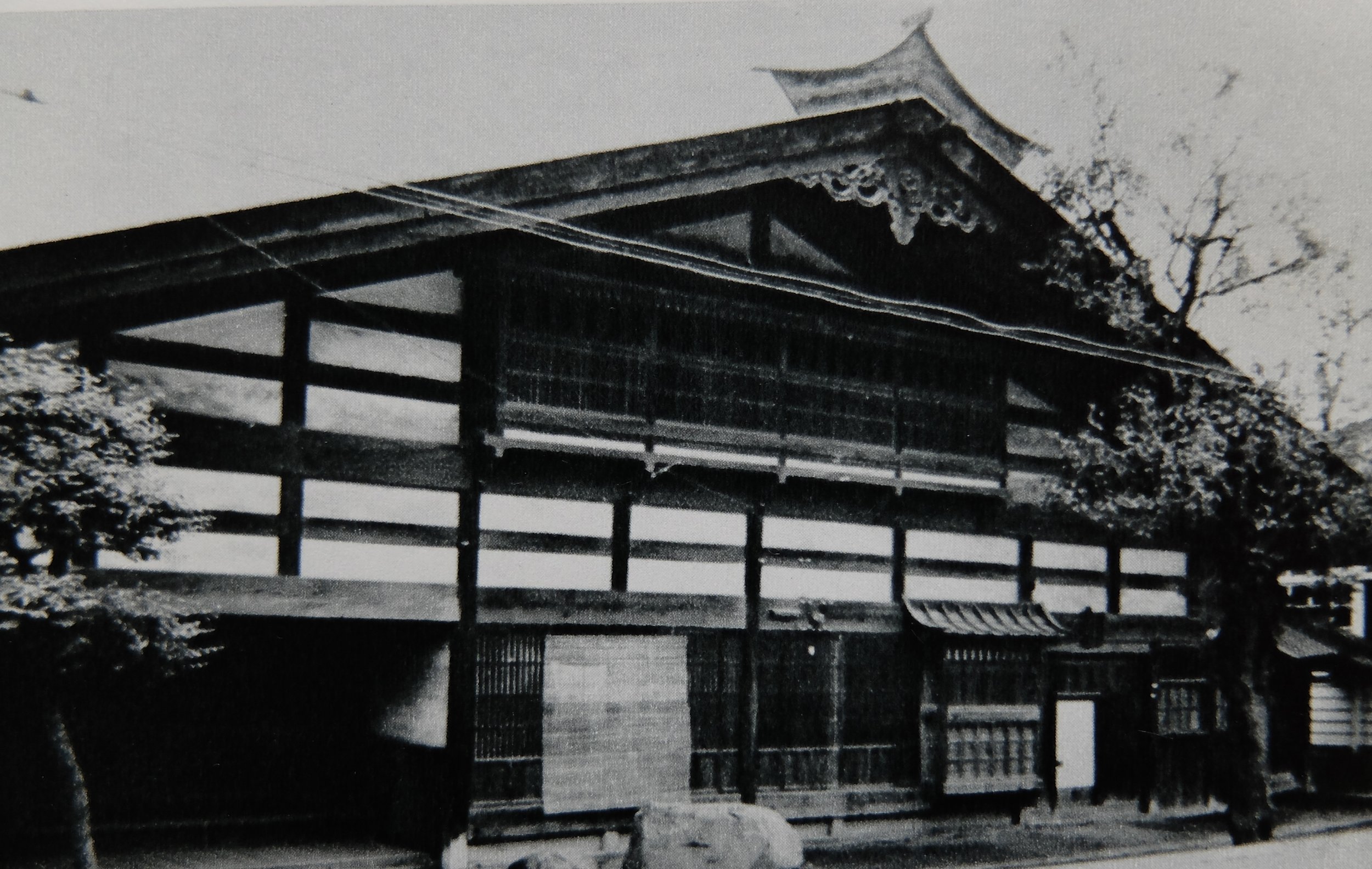
In Ono-juku (小野宿), an Edo period ‘relay station’ (shuku-ba 宿場) on the Sanshū highway (Sanshū-kaidо̄ 三州街道), a branch of the main Nakasen Road (Nakasen-dо̄ 中仙道), Ina-dani style (Iseya-fū 伊郡谷風) hon-mune tsukuri line the street. This example, the Ono House (Ono-ya 小野家), is in a ‘gatehouse’ (monya 門屋) arrangement, and was a ‘relay place’ (chūkei-jo 中継所): a station (eki 駅) for cargo and freight (unsо̄-kamotsu 運送貨物). The hon-mune tsukuri here differ from those of Matsumoto-daira (松本平) in that they lack a façade awning (mae-bisashi 前庇) over the ground floor. Nagano Prefecture.
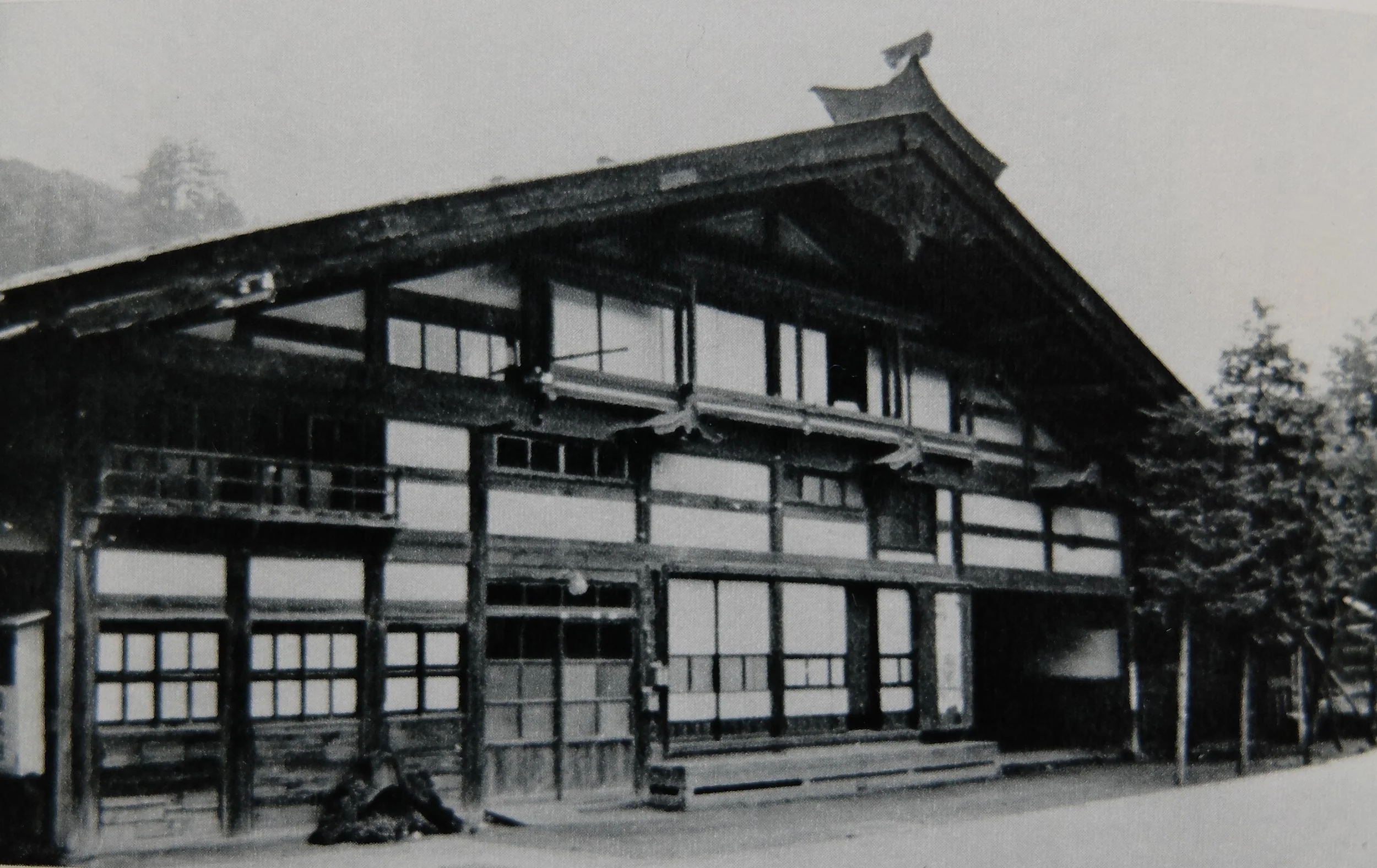
A combined inn (hatago-ya 旅籠屋) and liquor store (saka-ya 酒屋) that stands across the street from the Ono-ya pictured above. The stone-weighted (ishi-oki 石置き, lit. ‘stone placed’) roof, an element of the ‘classical’ hon-mune tsukuri, has remained to the present; the building was build in around 1859, the 6th year of Ansei (Ansei roku 安政6). Nagano Prefecture.
Conventionally there is a triple (san-ren 三連) projecting lattice window (de-gо̄shi 出格子) in the upper part of the gable wall, with the central section raised, though there are many design variations. In Matsumoto-Daira, there is a shake or tile awning below the de-gо̄shi; below this is the everyday entrance (to-guchi 戸口) and the formal entrance structure (genkan-gamae 玄関構え) with board-floored platform (shikidai 式台). In the minka of Ina-Dani, this ‘front awning’ (mae-bisashi 前庇) is absent, and the genkan-gamae is built within the interior of the main volume. In Matsumoto-Daira, a large gable ornament called a suzume-odori (雀おどり, ‘sparrow dance/ jump’) is placed over the apex of the gable board, whereas in Ina-dani a large carved ‘demon board’ (oni-ita 鬼板) is used, capped with a rain cover (ama-yoke-ita 雨除け板, ‘rain prevent board’).
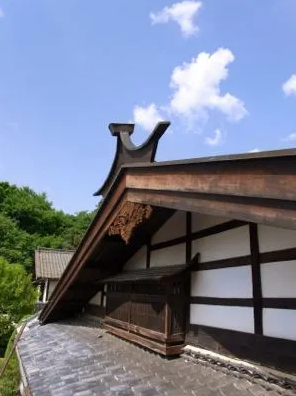
Detail of a hon-mune tsukuri façade above the tiled awning (mae-bisashi 前庇). The façade features a two-layer (ni-jū 二重) gable-board (hafu-ita 破風板), ridge-topping apex ornament (oni-ita 鬼板) and hanging pendant ornament (gegyo 懸魚), and an offset projecting lattice window (de-gо̄shi 出格子).
In the hon-mune tsukuri of the Kaida Highlands (Kaida Kо̄gen 開田高原) in Kiso and elsewhere, a form called tate-gurumi (建てぐるみ, ‘build together’) is used, where the stable (umaya 厩) is detached from the main building by 30-40cm, with a single roof built to span the whole. This results in a magnificent gable façade with an even greater width (maguchi 間口) than usual, though minka in the regions where tate-gurumi are found are of a simple, unsophisticated style, with board-clad walls (ita-kabe 板壁) and few ornamental elements.
The interior layout of many hon-mune-zukuri is i-ji-gata/kakomi-gata (囲字型): a 3 x 3 nine-room layout (kyū-madori 九間取り) consisting of a ‘wrapped hiroma’ layout (tori-maki hiroma-gata 取巻き広間) with a row of three formal rooms (zashiki 座敷) added at the ‘upper’ (kami-te 上み手) end of the dwelling, the end furthest from the earth-floored area (doma 土間). The living room (о̄e おおえ) with the firepit (irori 炉) is an atrium (fuki-nuki 吹抜き) space, without a ceiling, and equipped with a lantern roof (koshi-yane 越屋根) whose openings serve to both admit light and exhaust smoke. Rooms in the roof space (yane-ura-beya 屋根裏部屋) are arranged around the perimeter of this atrium part, and are usually used for tool storage and the like, but there are also inns (honjin 本陣) in which they are used as bedrooms and for accommodation.